Church of the Incarnation, Tombae
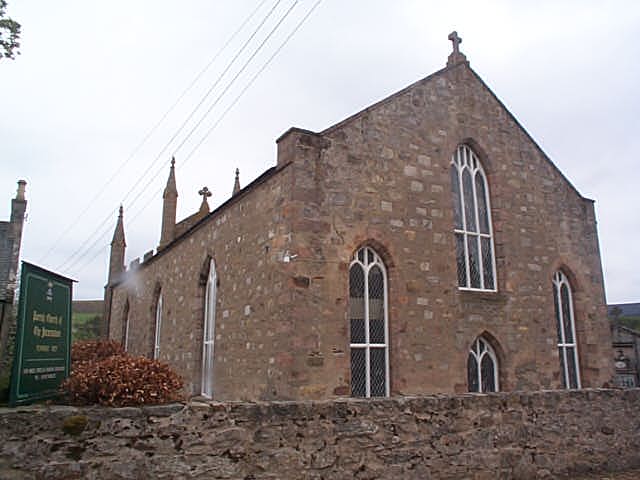
Church of the Incarnation, Tombae

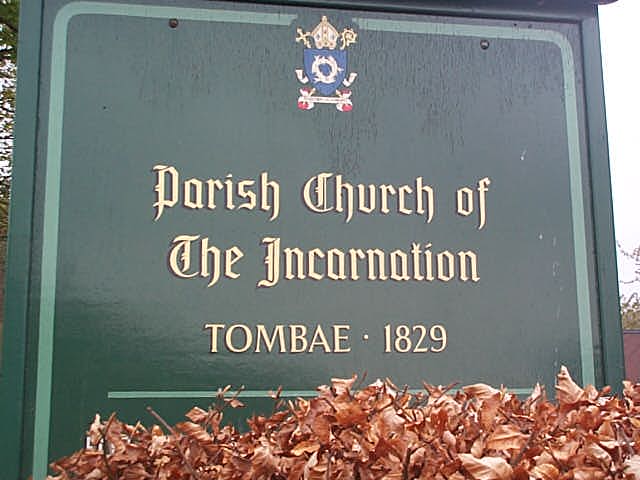
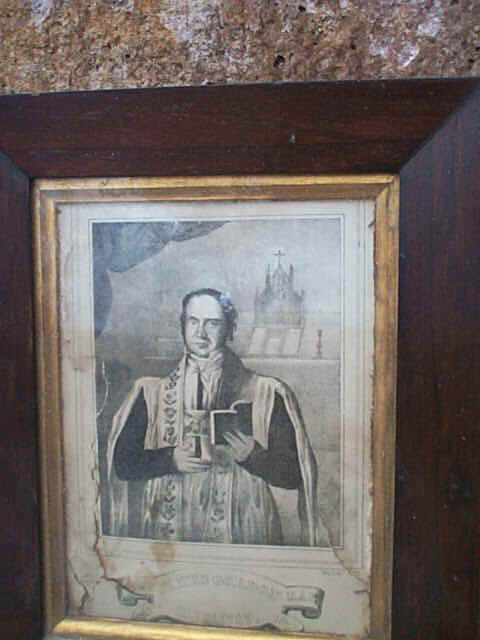
The new church at Tombae was built to the design of Mr. John Gall of Aberdeen, and dedicated to the honour of the Incarnation of Our Lord, and stones for the construction were carted to the site from surrounding quarries. It is especially pleasing to note that, in this task the parishioners were helped by their non-Catholic friends. Bishop Paterson, who had studied at Scalan, and retained a great affection for the area wrote to Mr Gordon about his new church at Tombae:
"The front must be and shall be what a chapel in Glenlivet, the ancient granary and nursery of religion on Scotland. ought to have, and the altar a commanding appearance".
The exterior front is indeed very impressive, and the setting, just above the Livet, is superb. On a fine sunny evening the stone takes on a mellow glow, and this is also an excellent time of day to view the interior The first impression on going into the Church of the Incarnation is one of spaciousness and light Large leaded windows enhance the elegant vaulted ceiling and Gothic pillars, and the absence of adjoining buildings on the west side enhances the light on all but the darkest of days.
In 1843-44 Bishop Kyle caused rooms to be built behind the altar, which somewhat reduced the church in size. Nearly a third of the church area was turned into a school, and the building was both church and school until 1904, when a more commodious building was erected about 300 yards away.
Mr Gordon, who had built the church, remained there as priest until his death in 1842, is buried in the precincts, as is his successor; Mr Robert Stuart, who died in 1861. In 1937 more renovations were carried out, a new altar replacing the old wooden one.
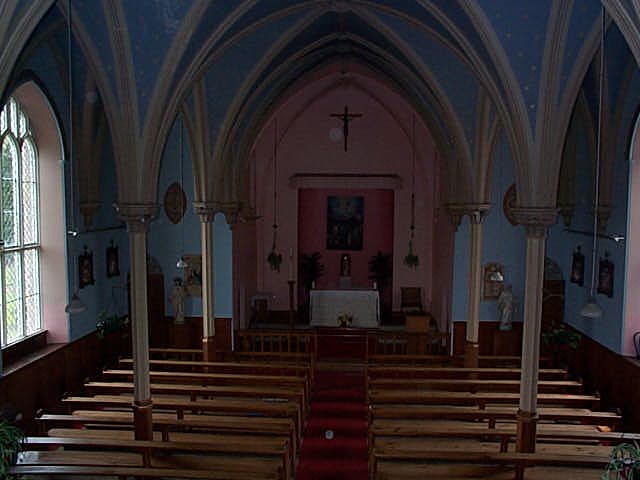
Another feature of the church is the pair of marble tablets flanking the chancel One is a memorial to the men of the parish who died in the two World Wars, and the other is to Captain, later Flight Commander, Smith Grant of Minmore who was killed in the last months of 1918. In the parish who served in the first World War, there we learn that 55 men served in the Forces,15 of them being killed, an amazing number for a remote rural parish.
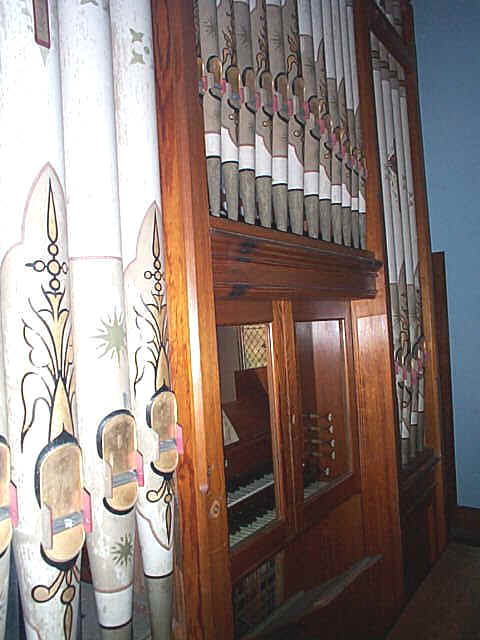
A fine Connacher organ completes a tour of the interior of the Church of the Incarnation. The church is a listed building.
The gravestones in the adjoining Burial Ground are welL worthy of a Scrutiny Because of its size, the eye is drawn to the vault where rests George Smith of Minmore, founder of the world-famous Glenlivet Distillery together with many of the family. The stones in the churchyard give an idea of the size and location of the congregation in times past. Many of the place names have disappeared or are now holiday homes, such has been the depopulation of the Glen.